cheek Filler
Cheek filler treatment to restore lift and mid-face volume.
What is A cheek augmentation?
As part of the natural ageing process, volume is lost from the mid-face (malar fat), this loss of supporting structure causes a gravitational descent of the skin and tissue. The cheeks flatten and the skin begins to sag creating the nasolabial folds (nose-to-mouth lines, marionette lines and jowl formation.
By using deep anchoring techniques higher up the face, to replace lost volume, we create a lifting effect which reduces the likelihood of folds and sagging skin in the lower face.
The mid-face also acts as a supporting structure to the tear trough and voume loss in this area can also accentuate a tired looking appearance.
We can also use dermal filler to enhance the facial contours and lift the cheekbones. We place a high density dermal filler over the zygomatic arch (cheek bone) to result in high-arched cheekbones creating a more refreshed and youthful V-shaped face.
fee
from £250

downtime
5-10mins
possible bruising/swelling


frequency of treatment
12-24 months
often lasts longer
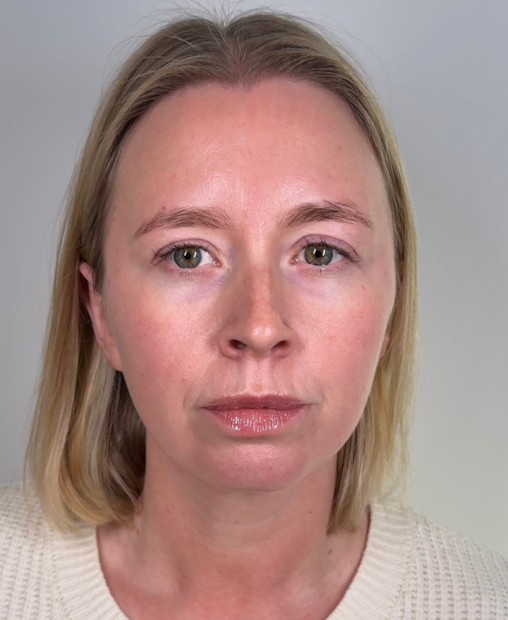
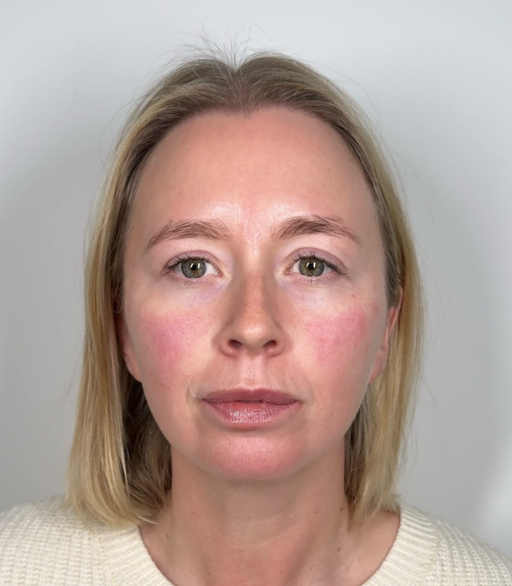
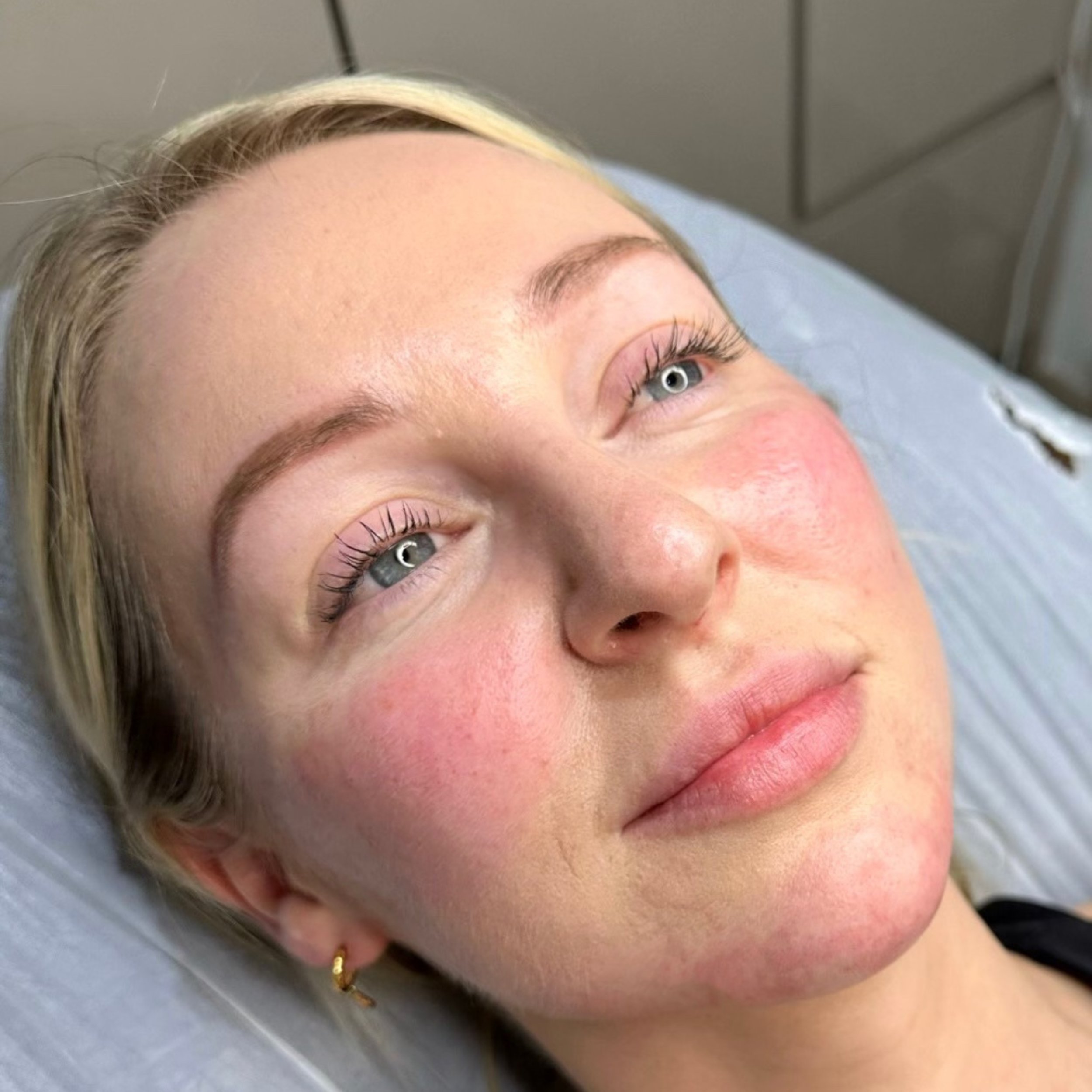
before and after


frequently asked questions
-
Cheek filler treatment may be beneficial for anyone who has experienced volume loss in the cheek area or would like a more lifted and contoured facial appearance. Please visit our consultations page to arrange a FREE facial assessment and determine your suitability for treatment.
-
For all cheek filler treatments, we use a medical-grade numbing cream that contains a local anaesthetic called lidocaine. We never begin treatment until you feel completely comfortable and numb. All fillers used for cheek filler treatment also contain lidocaine within the product to help minimise discomfort during the procedure.
-
All make-up will be removed from the treatment area, so it is advisable to attend your appointment wearing little or no make-up. Do not drink alcohol for 24 hours before and after the procedure.
Blood-thinning medication should be discontinued 7 days prior to treatment, as this may increase the risk of bruising. This includes aspirin and ibuprofen (please check with your GP before stopping prescribed medication). You should also avoid St John’s Wort, fish oils, Gingko Biloba, and Vitamins C and E for 24 hours before treatment.
Avoid using topical skincare products such as Tretinoin, Retinols and Glycolic Acid for 3 days prior to treatment. Contact the clinic before treatment if you have any illness such as colds, coughs, sore throat or any skin infections.
You should also inform the clinic if you have any other procedures planned, including facials or dental appointments. Arnica tablets can be taken 3 days before treatment to help reduce the risk of bruising. Ensure you have eaten before treatment to decrease the chances of feeling light-headed.
-
These aftercare instructions apply to all cheek filler treatments.
Avoid high-intensity exercise immediately following treatment. Avoid heavy alcohol consumption for 24 hours after treatment. Do not apply make-up to the treated area for at least 24 hours.
Avoid extended exposure to sunlight, UV rays and extreme temperatures such as saunas or steam rooms for one week following treatment. Bruising and swelling may be reduced through the use of arnica gel, a cold compress and a non-drowsy antihistamine.
The duration of cheek filler results is typically around 6-24 months, depending on the product used, the treated area and how many times the area has previously been treated. Always wear SPF 30-50 on the treated area when exposed to sunlight or UV rays.
Laser treatments and skin needling procedures should be avoided for 2 weeks following treatment.
Benefits of cheek augmentation
Instantly more lifted and youthful appearance

Reduces tired appearance
Softens deep wrinkles and sagging around lower face
Enhances bone structure
Contact us TOday